Creating Inclusive Spaces: Advocating for Invisible Illnesses
Invisible illnesses often go unnoticed—not because they are rare, but because they don’t announce themselves. From the outside, life may look unchanged. Inside, everything can feel harder to manage.
For those of us living with invisible illness, the challenge isn’t only the condition itself. It’s navigating spaces that weren’t designed with us in mind. Conversations that assume health. Expectations that overlook limitation. Silence that fills the gap where understanding should be.
Creating inclusive spaces begins with recognizing what we can’t see—and choosing to believe what others tell us about their lived experience. Learn more about designing accessible spaces here.
Understanding Invisible Illnesses

Invisible illnesses shape daily life in ways that are easy to miss and difficult to explain. Conditions like chronic pain, autoimmune disease, or neurological disorders don’t always show outward signs, but they influence energy, cognition, and emotional resilience.
Recognizing Invisible Challenges
Living with an invisible illness often means managing symptoms quietly. Fatigue that doesn’t improve with rest. Pain that fluctuates without warning. Brain fog that complicates simple tasks.
Because these challenges aren’t visible, they’re frequently misunderstood—or dismissed altogether. The disconnect between appearance and reality can leave people feeling unseen, even in spaces meant to be supportive.
The most effective way to bridge that gap is simple, but not always easy: listen. Not to respond. Not to fix. Just to understand.
Common Misconceptions and Myths
There are persistent myths surrounding invisible illness—that it’s exaggerated, psychological, or less serious than visible conditions. These assumptions can be deeply harmful.
They shift the burden of proof onto those already expending enormous energy just to function. They discourage people from asking for accommodations or speaking honestly about their needs.
Inclusive spaces require intentional unlearning. Education matters—but so does humility. Accepting that you may not fully understand someone’s experience is often the first step toward genuine empathy.
The Importance of Awareness
Awareness is a powerful tool. By raising awareness about invisible illnesses, we foster empathy. An informed community is a supportive one. Awareness helps to build bridges between those living with these conditions and those who aren't.
Consider this: Most people are unaware of the struggles faced by individuals with invisible illnesses. By becoming advocates, we can change this narrative. Sharing stories and experiences can increase understanding. This awareness is the foundation of inclusive communities.
Advocacy and Support Strategies
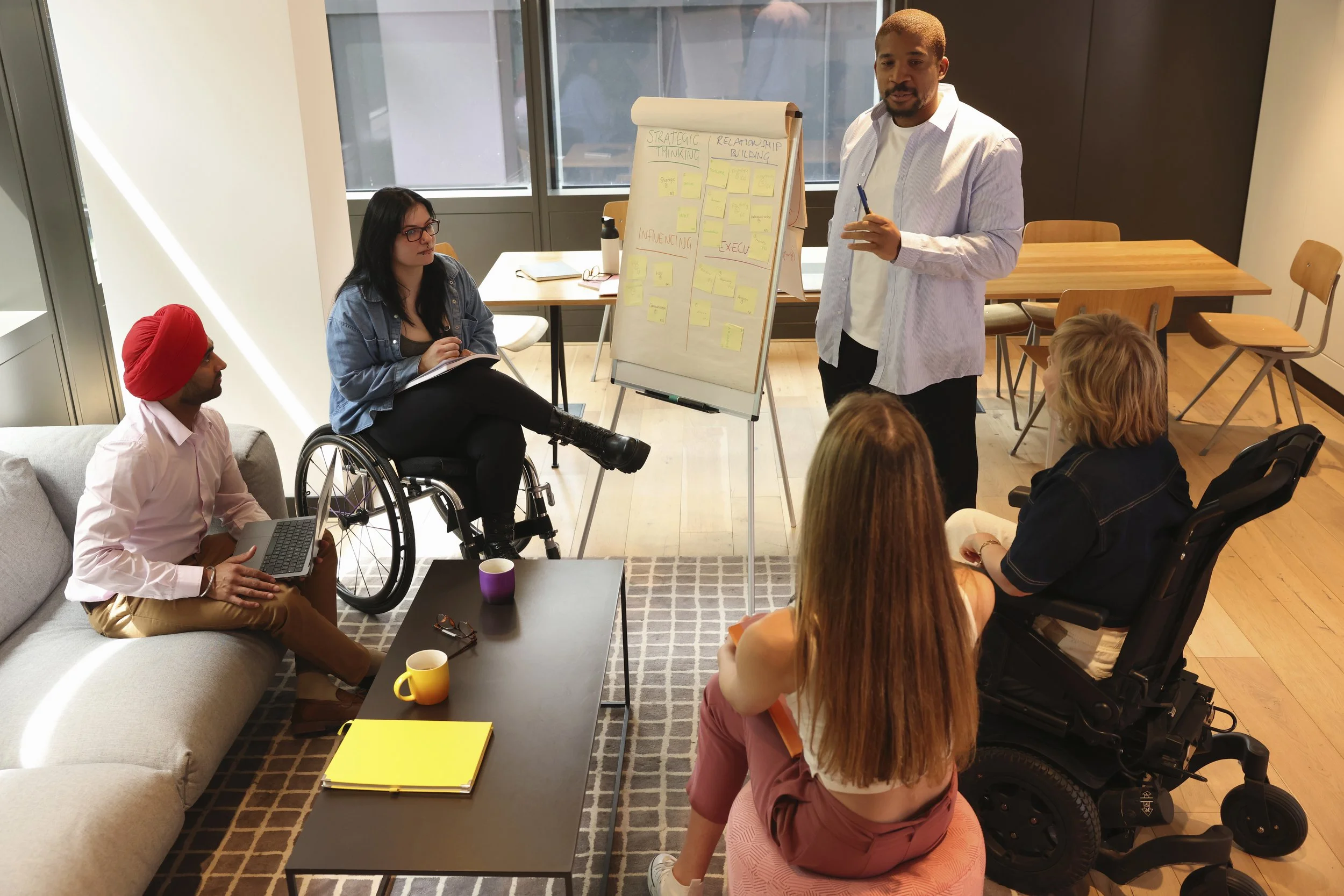
Empathy and understanding are central to advocacy. When we approach others with compassion, we create a supportive environment.
Building Empathy and Understanding
Awareness isn’t about spotlighting illness—it’s about creating environments where people don’t have to justify themselves to belong. When communities understand that health exists on a spectrum, they become more flexible. More compassionate. More human. Awareness changes how we schedule, how we speak, and how we respond when someone needs rest instead of reassurance. It creates room for difference without requiring explanation.
Advocacy in Everyday Spaces
Advocacy doesn’t always take the form of campaigns or public declarations. Often, it happens quietly—in the choices we make about how we include others.
Building Empathy Through Listening
Empathy grows when we allow someone else’s reality to stand on its own. That means resisting the urge to compare, avoiding assumptions about effort or motivation and trusting that people are doing the best they can with the bodies they have.
Listening without judgment sends a powerful message: you don’t have to perform health to be welcome here.
Encouraging Community Support
Community support is vital for those with invisible illnesses. It provides a network of understanding and empathy. Encouraging community involvement can be simple. Start by organizing support groups or book clubs.
Promote initiatives that raise awareness about invisible illnesses. Collaborate with local organizations on events. These efforts contribute to a supportive environment. Community support offers a sense of belonging, which is invaluable for individuals facing these challenges.
Creating Spaces That Feel Safe
Inclusivity is not only about physical access. Emotional safety matters just as much.
Using language that doesn’t assume wellness. Allowing flexibility without requiring disclosure. Normalizing rest, absence, and accommodation without interrogation.
These choices don’t require expertise—only attention. And they can transform a space from merely accessible into genuinely supportive.
The Role of Story and Shared Experience
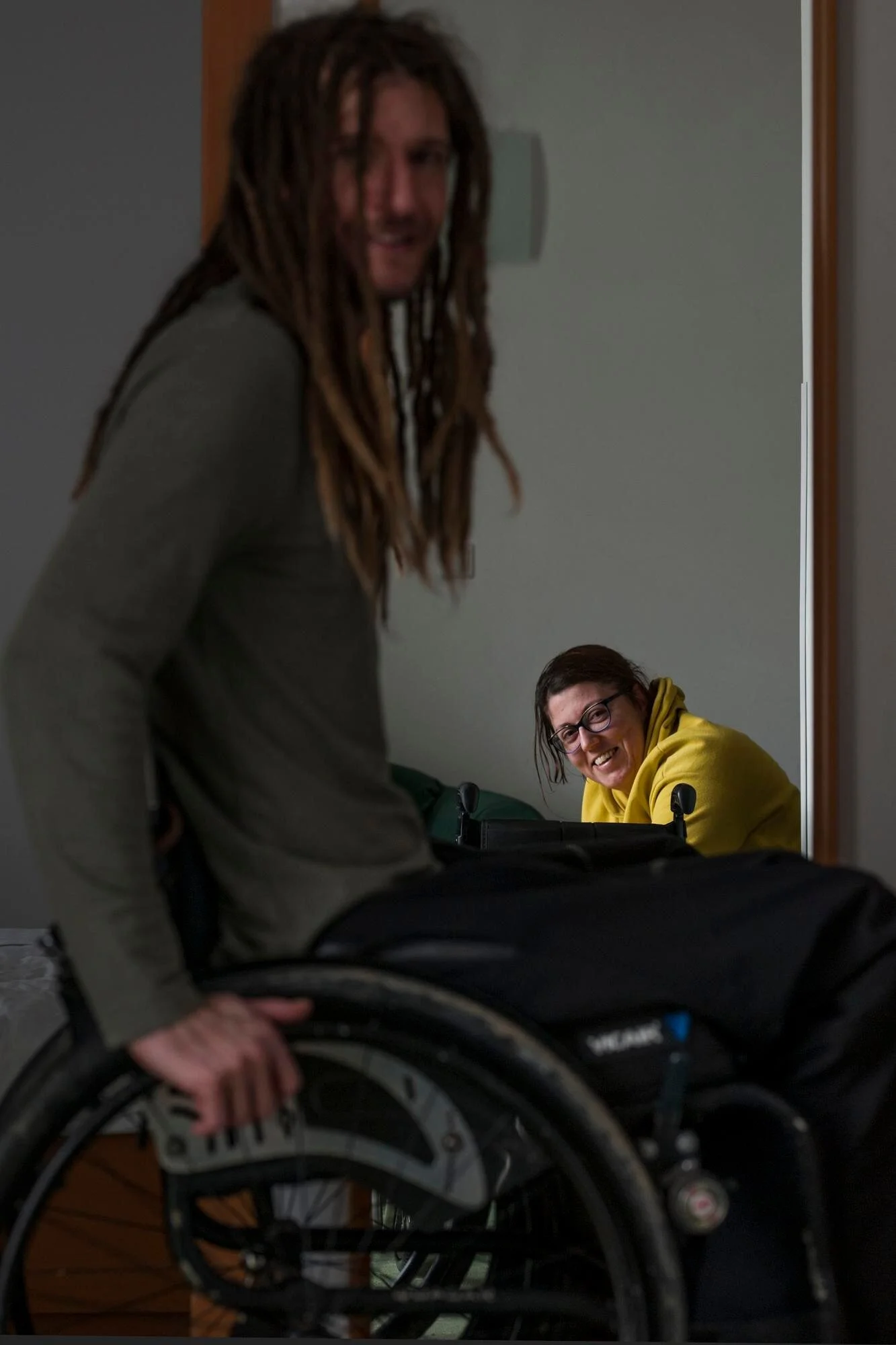
For many people living with invisible illness, understanding comes later—sometimes years later—when they finally have language for what they endured.
Telling those stories isn’t about awareness campaigns or inspiration. It’s about recognition. About seeing patterns emerge. About realizing that what felt like personal failure was often systemic neglect or misunderstanding.
When stories are shared—whether publicly or quietly—they permit others to recognize their own experiences without shame.
Collective Advocacy and Connection
Change happens most sustainably when it’s shared, when individuals stop navigating alone and begin shaping environments together.
Inclusive spaces are built through collective effort—by people willing to question norms, adjust expectations, and prioritize care over convenience.
Advocacy doesn’t require perfection. It requires presence.
Creating inclusive spaces for invisible illness isn’t a one-time action. It’s an ongoing practice of noticing, listening, and adapting.
When we believe people about their experiences—and design spaces that reflect that belief—we create communities where resilience isn’t demanded. It’s supported.
And that quiet shift makes all the difference.
