What Lupus Looks Like for Me
When people search for information about lupus online, they often find neat bullet points and medical diagrams that list rashes, fatigue, joint pain, and autoimmune issues. It creates an impression of a condition that is clear-cut, organized, and easy to understand.
But the reality of lupus is anything but tidy. What you won’t find on Google is the emotional and physical toll it takes on daily life. It’s the invisible burden that hangs over you, the way it threads itself into your days, your choices, your relationships, and your energy.
This is what lupus looks like for me—far from the clinical definitions or textbook descriptions. It’s the nuanced reality I navigate behind closed doors every day.
Some mornings, I wake up feeling as though I’ve run a marathon in my sleep. Before I even step out of bed, my joints ache, and every movement feels like wading through thick mud. Google might simply label this as “fatigue,” but that word hardly captures the deep exhaustion that settles in your bones, the heaviness, the mental fog that surrounds you.
Some days, my body feels much older than my years, and I find myself bargaining with myself just to stand up. The pain moves around; one day it nests in my knees, the next it might reside in my hands, ribs, or jaw. Some days, it stings sharply, while other days it’s a dull ache that I can push through. Yet there are times it consumes my entire existence. For me, this unpredictability is the only reliable aspect of lupus—knowing that it won’t stay in one place for long.
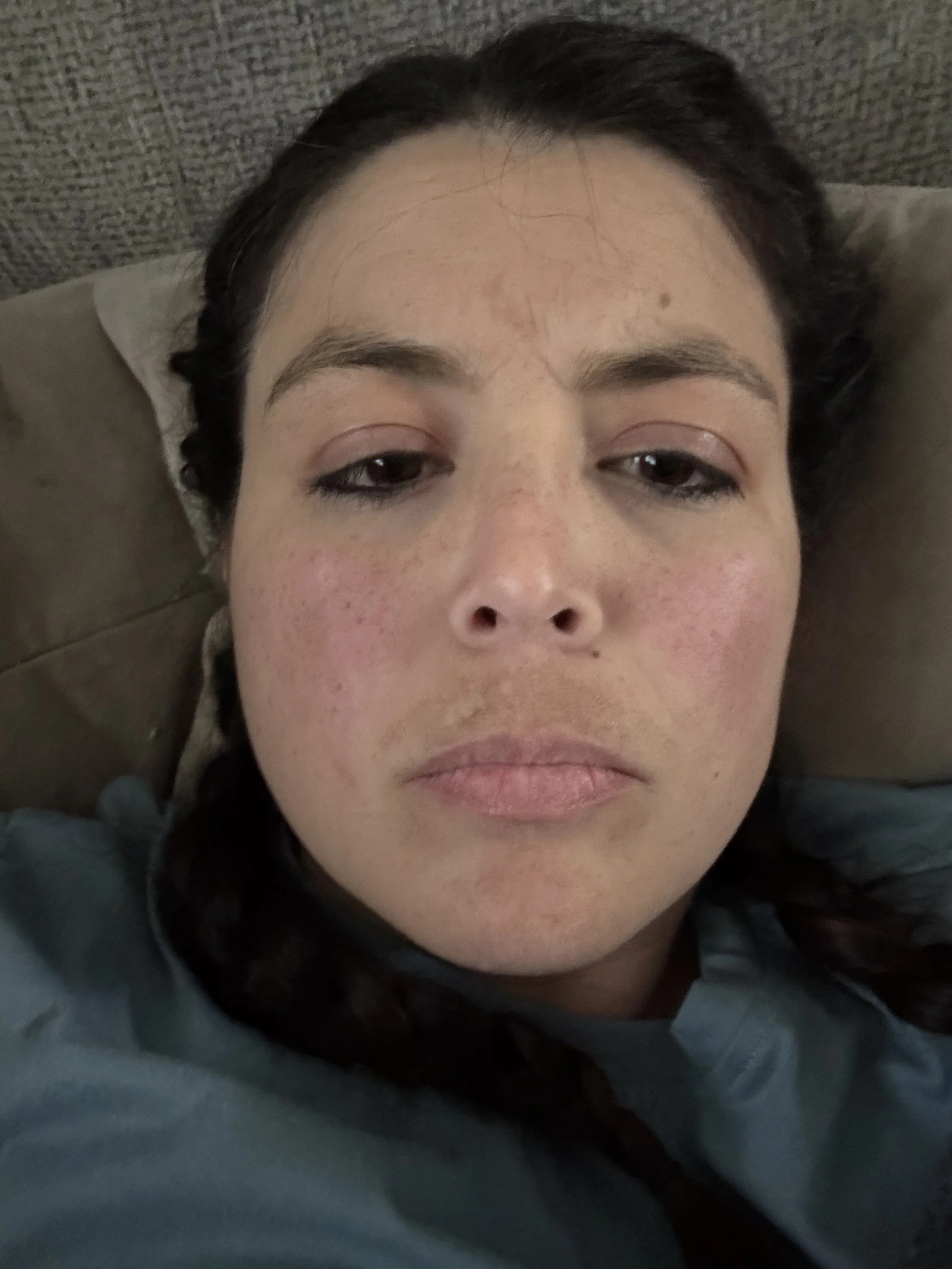
Butterfly Rash
A few weeks ago, my face began to feel like it was on fire, signaling the start of a lupus flare.
There have been countless times I’ve styled my hair, applied makeup, gone to work, and smiled, all while my body is fighting against itself. Lupus can be invisible—until the moment it reveals itself through swelling, a rash, or fatigue that drains the color from my cheeks. And then someone comments, “But you look great!”—and I am left feeling torn between laughter and tears.
Some days I appear healthy, and other days I look unwell. The gray area in between is complex and often misunderstood. People don’t see the mental calculations I make: Can I stand long enough for this event? Do I have my medication on hand? Will this activity trigger a flare-up? Should I cancel plans? Can I push myself to go? Will I regret this later?
Every decision I make is strategic, not spontaneous. Lupus reshapes every aspect of my life—social interactions, work commitments, family dynamics, and the expectations I have for myself. It has instilled in me a quiet fear—a fear I rarely discuss at dinner or during a relaxed movie night. I find myself anxious about potential flares, infections, new symptoms that may arise, old symptoms that might return, and the uncertainty of what my future holds.
Sometimes, it can feel overwhelming, but I want you to know that not every day is filled with fear. Some days are lighter, despite everything; there are moments when I can feel almost normal, when I forget, even if just for a little while, that lupus weaves through my existence. And those days are truly special—they are gifts that I cherish deeply.
This is not Google’s lupus, nor is it a version remembered from a distant television storyline. This is the lived experience, imperfect yet real, and it continues to shape my identity.
I share this not to invite sympathy but to shed light on the often-invisible nature of chronic illness. Speaking out about my experience is a way to reclaim my power, find clarity about the struggles my body has endured, and connect with others who may be facing similar challenges.
While lupus can be unpredictable, my story is still unfolding—and so is my strength. You are not alone in this, and together we can bring visibility and understanding to these experiences.
