When We Tell It Together: How Shared Stories Sustain Us Through Invisible Illness
Living with chronic illness often feels like carrying a story no one can see or hear. Shared storytelling offers more than words—it creates a space where invisible struggles find witness and validation. When we come together through memoirs, conversations, and library programs, resilience grows quietly but surely. Here's how these shared narratives help sustain those navigating the unseen challenges of chronic illness. Read more about the power of storytelling and chronic illness.
Power of Shared Storytelling

Stories have the power to connect us. They offer a bridge from isolation to understanding, especially for those with invisible struggles. Let’s explore how shared narratives become a lifeline for so many.
Validation Through Lived Experience
When you read about someone facing similar struggles, it feels like finding a friend who truly understands. This sense of validation is vital. Lived experiences shared in memoirs can make you feel seen. Take RJ Benda's Built From the Broken, for example. It tells a story of resilience through chronic illness that resonates with many. By reading such narratives, you realize your journey is not lonely. Your struggles and triumphs have value.
This validation is more than comforting—it's transformative. It shifts how you see yourself and your story. You gain a sense of belonging in a world that often overlooks invisible challenges. Through words, you connect with others, creating a tapestry of shared human experience that sustains hope and courage. Check out Words for the Invisible for more on how storytelling fosters connection.
Reducing Isolation with Narrative Medicine
Narrative medicine uses storytelling to bridge gaps between patients and healthcare providers. It’s about listening to and understanding each other. Sharing your story with a doctor can change the way they see you—not just as a patient but as a person.
In a study published in Journal of Medical Humanities, patients felt more connected and understood when their stories were part of treatment. This practice reduces feelings of isolation. You become an active participant in your care, with your narrative as a vital tool.
Narrative medicine reminds us that stories are powerful healers. They bring empathy into clinical settings, turning appointments into collaborative dialogues. This change can be profound, making healthcare more compassionate and inclusive.
Resilience and Narrative Community
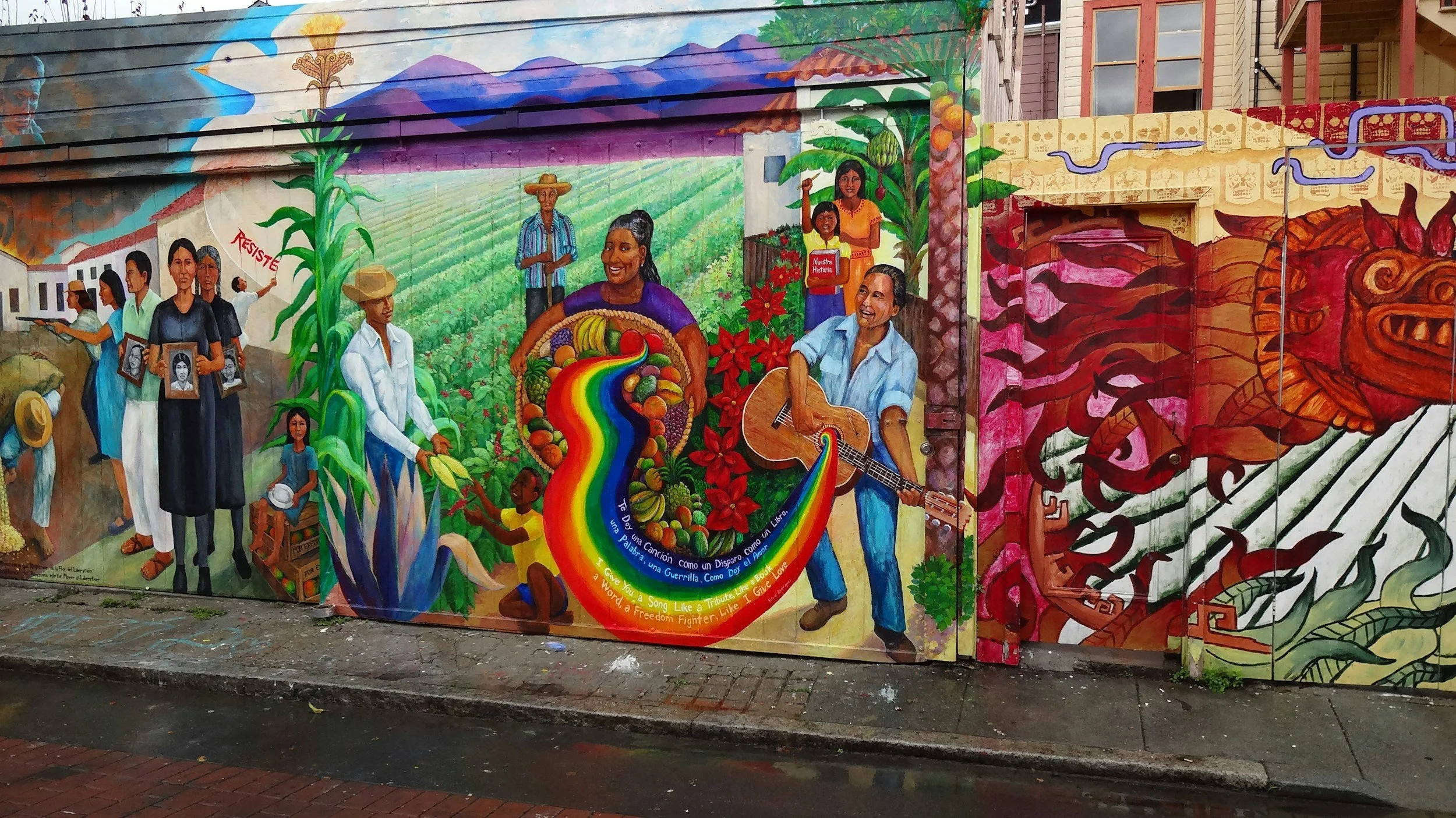
As stories validate and connect, they also cultivate resilience. Let’s explore how shared narratives build a community of strength and hope.
Building Empathy and Visibility
Empathy grows when stories are shared. When someone reads or listens to your story, they gain insight into your world. This is particularly crucial for invisible illnesses, where struggles are not always apparent. By sharing narratives, you increase visibility for these challenges.
In communities where stories circulate, empathy flourishes. People become more aware of each other's realities, fostering a culture of understanding and support. This visibility is empowering. It transforms how others perceive your journey and how you perceive yourself. Want to dive deeper into how storytelling fosters empathy? Check out this research article.
Writing Through Illness: Creative Resilience
Writing becomes a tool for resilience. It allows you to process emotions and experiences creatively. Journaling or crafting narratives about your illness can be a healing practice. Through writing, you explore and make sense of your journey, turning pain into purpose.
Creative resilience emerges as you weave your story into words. You discover strength in vulnerability, courage in expression. Writing becomes a safe space to reflect and grow. It’s not just about documenting experiences but transforming them into something meaningful.
Engaging Through Books and Conversations

Beyond personal storytelling, communal spaces such as libraries and book clubs offer a sense of belonging. Let’s delve into how these spaces enhance connection and support.
Library Programs and Book Clubs
Libraries are more than places to borrow books. They’re community hubs where stories come alive. Programs focused on storytelling bring people together, sparking connections through shared narratives. Book clubs, too, offer a platform for discussing themes that resonate deeply, such as chronic illness and resilience.
By participating in these activities, you partake in conversations that matter. You share insights, learn from others, and build friendships. It’s a reminder that your story, like many others, is part of a larger conversation about human experience and empathy.
Reader Connection and Spoonie Community
For those navigating invisible illnesses, connection is crucial. Online and offline communities, such as the spoonie community, offer support and understanding. Here, stories are exchanged freely, creating bonds between individuals facing similar challenges.
Reader connections in these spaces become lifelines. They remind you that you are not alone in your journey. Through shared experiences, you find strength and solidarity, weaving a community bound by compassion and resilience. The power of storytelling shines as you engage with others, reinforcing the idea that together, we are stronger.
Shared stories create a tapestry of human experience, connecting us across differences and distances. Whether through books, conversations, or community programs, these narratives sustain us, offering validation, reducing isolation, and building resilience. In telling and listening to stories, we find hope and belonging.
