Building Resilience: Cultivating Emotional Strength in the Face of Adversity
Resilience isn’t just a buzzword—it’s a lifeline when chronic illness shakes your world. When your body feels unreliable and the future feels uncertain, emotional strength becomes something you build moment by moment. If you’ve carried the weight of adversity, you know how exhausting it can be to keep going.
In this post, you’ll find practical reflections and gentle strategies inspired by RJ Benda’s memoir and her lived experience with lupus—tools meant to help you stay grounded when life feels unsteady. Most importantly, this is an invitation into the community. You don’t have to navigate this alone.
Understanding Emotional Resilience
Before we can strengthen resilience, we have to understand what it truly means—especially in the context of chronic illness and long-term adversity.
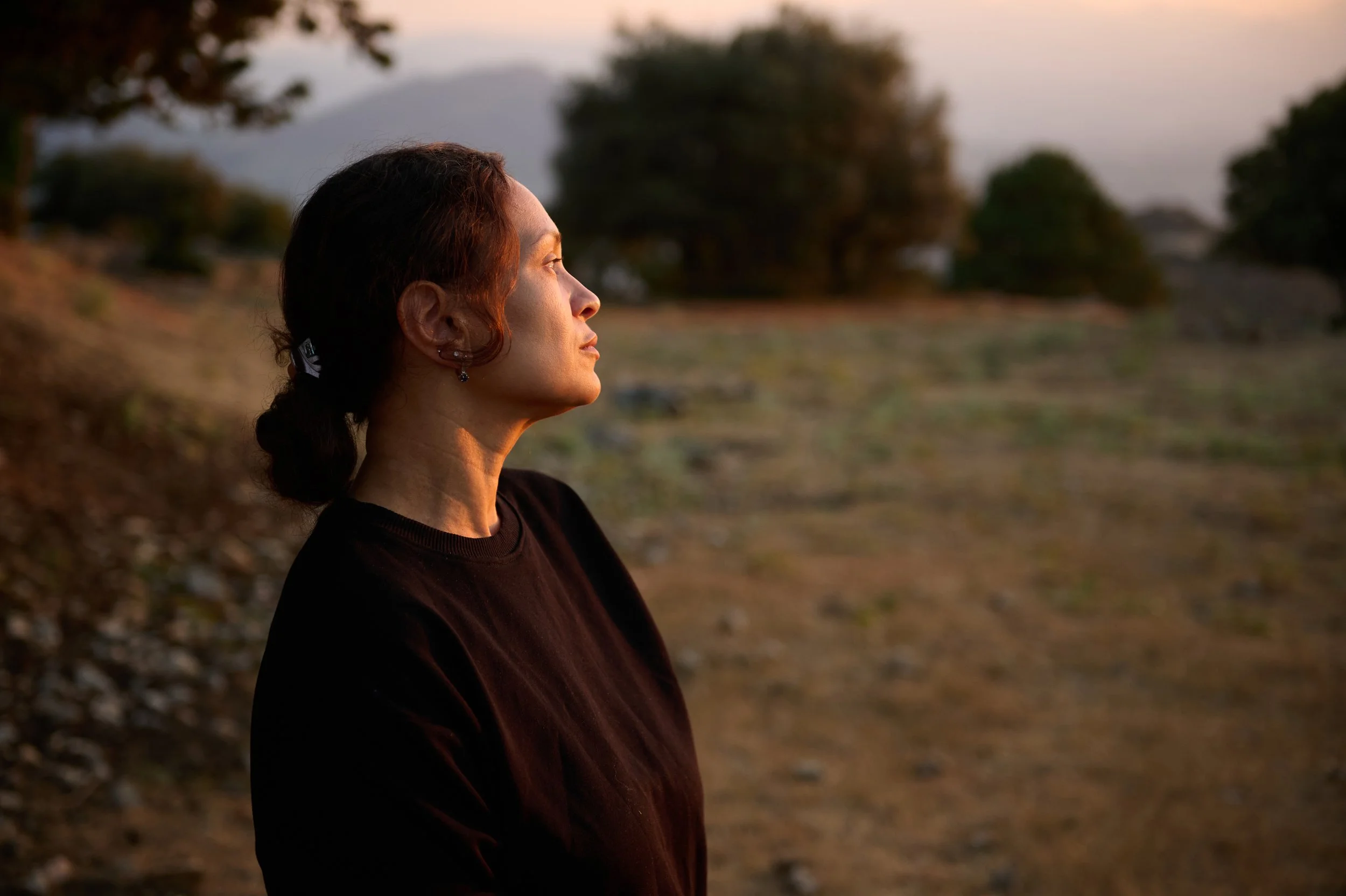
Defining Emotional Strength
Emotional strength is like a bridge built to withstand turbulent waters. It doesn’t eliminate hardship, but it allows you to cross safely when life feels unstable. At its core, emotional strength is the ability to acknowledge pain, adapt to change, and continue forward with intention.
Think back to a moment when life demanded more from you than you thought you could give—and you found a way through anyway. That quiet endurance, that willingness to keep showing up, is emotional strength in action.
Building it doesn’t require dramatic transformation. It begins with small, honest steps: naming your emotions without judgment, allowing space for grief or frustration, and focusing on what remains within your control. Over time, those small choices accumulate into something steadier and more resilient. check out this resource on emotional resilience.
The Role of Adversity
Adversity isn’t something to romanticize—but it is often a powerful teacher. Chronic illness, loss, or prolonged uncertainty forces us to confront our limits, reshaping how we define strength and success.
Rather than viewing adversity as an enemy, it can help to see it as a demanding guide—one that pushes us to adapt, reevaluate priorities, and uncover resilience we didn’t know we possessed. Each challenge endured becomes part of the foundation that supports us during future storms.
Resilience isn’t built by avoiding hardship. It’s built by learning how to move through it, one imperfect step at a time. Dive deeper into these concepts with this article on overcoming adversity.
Practical Tips for Building Resilience
Understanding resilience is one thing; practicing it daily is another—especially when energy, health, or motivation fluctuate.

Daily Practices for Emotional Strength
Simple, consistent habits can gently reinforce emotional resilience. One place to start is gratitude—not as toxic positivity, but as awareness. Each day, try noting three small things that brought comfort or relief, even if they feel insignificant. Over time, this practice helps shift attention toward what is still sustaining you.
Setting achievable goals can also be grounding. These don’t need to be ambitious—taking a short walk, sending a message to a friend, or resting without guilt all count. Meeting yourself where you are builds confidence and self-trust.
Mindfulness can be another steadying tool. Even a few minutes of focused breathing can help calm your nervous system and create a pause between stress and response. Resilience isn’t about perfection; it’s about showing up again and again, even when progress feels slow. For more strategies, explore this guide on resilience training.
Navigating Chronic Illness with Hope
Living with chronic illness reshapes daily life in profound ways. Hope, in this context, isn’t blind optimism—it’s a quiet commitment to continue caring for yourself despite uncertainty.
Surrounding yourself with people who understand your experience matters. Support groups, trusted friends, or shared spaces where stories are exchanged can reduce isolation and remind you that your struggles are valid. There is strength in being witnessed.
Instead of measuring life by what’s been lost, focus on what remains possible. Celebrate small victories. Rest when needed. Speak to yourself with the same compassion you would offer someone you love. Resilience is not about never falling—it’s about allowing yourself to rise gently, again and again.
Drawing Inspiration from Personal Stories

Stories help us feel less alone. They remind us that survival doesn’t have to look heroic to be meaningful.
Insights from RJ Benda's Memoir
RJ Benda’s memoir offers a deeply honest portrayal of life with lupus—one shaped by medical trauma, uncertainty, and resilience forged in quiet moments. Her story illustrates how strength can exist alongside fear, and how healing is rarely linear.
A central theme of her narrative is self-compassion. Rather than pushing through pain at all costs, she emphasizes listening to the body, honoring limitations, and allowing grace to coexist with perseverance. Her story reflects the power of storytelling not just as expression, but as a connection.
Building Community and Connection 🌟
Resilience grows stronger in a community. RJ’s willingness to share her story creates space for others to reflect on their own experiences, fostering understanding and solidarity.
If you’re walking a difficult path, remember that connection doesn’t require explanation or justification. Reaching out—whether to share, listen, or sit alongside someone—builds a network of care that makes endurance possible.
You are not meant to carry everything alone. Together, resilience becomes something shared, sustained, and strengthened.
